

Articles
WIRED Bought 3 Super Clone Rolexes and Rolex Didn’t Spot Them. Here’s What They Got Right (and What They Missed)
Sep
In August 2026, WIRED walked into Rolex’s flagship store on Old Bond Street in London with a fake Rolex on their wrist, asked for a bracelet adjustment, and walked out with congratulations on their “beautiful watch.” The staff never spotted it. Neither did anyone else in the weeks they wore it.
The full investigation, published August 19 by Jeremy White and Alistair Charlton, is one of the better mainstream pieces ever written about this world. And it confirms, with a budget and bylines we don’t have, most of what this site has been telling you for years.
It also gets some things wrong. Let’s break down what WIRED found, what they missed, and what it means if you’re actually thinking about buying one.
What WIRED actually did
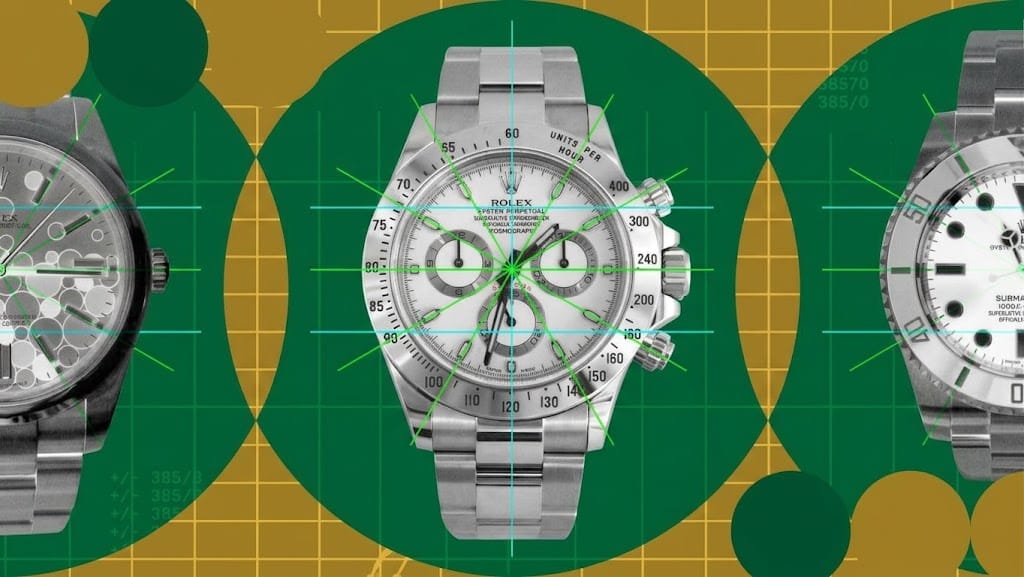
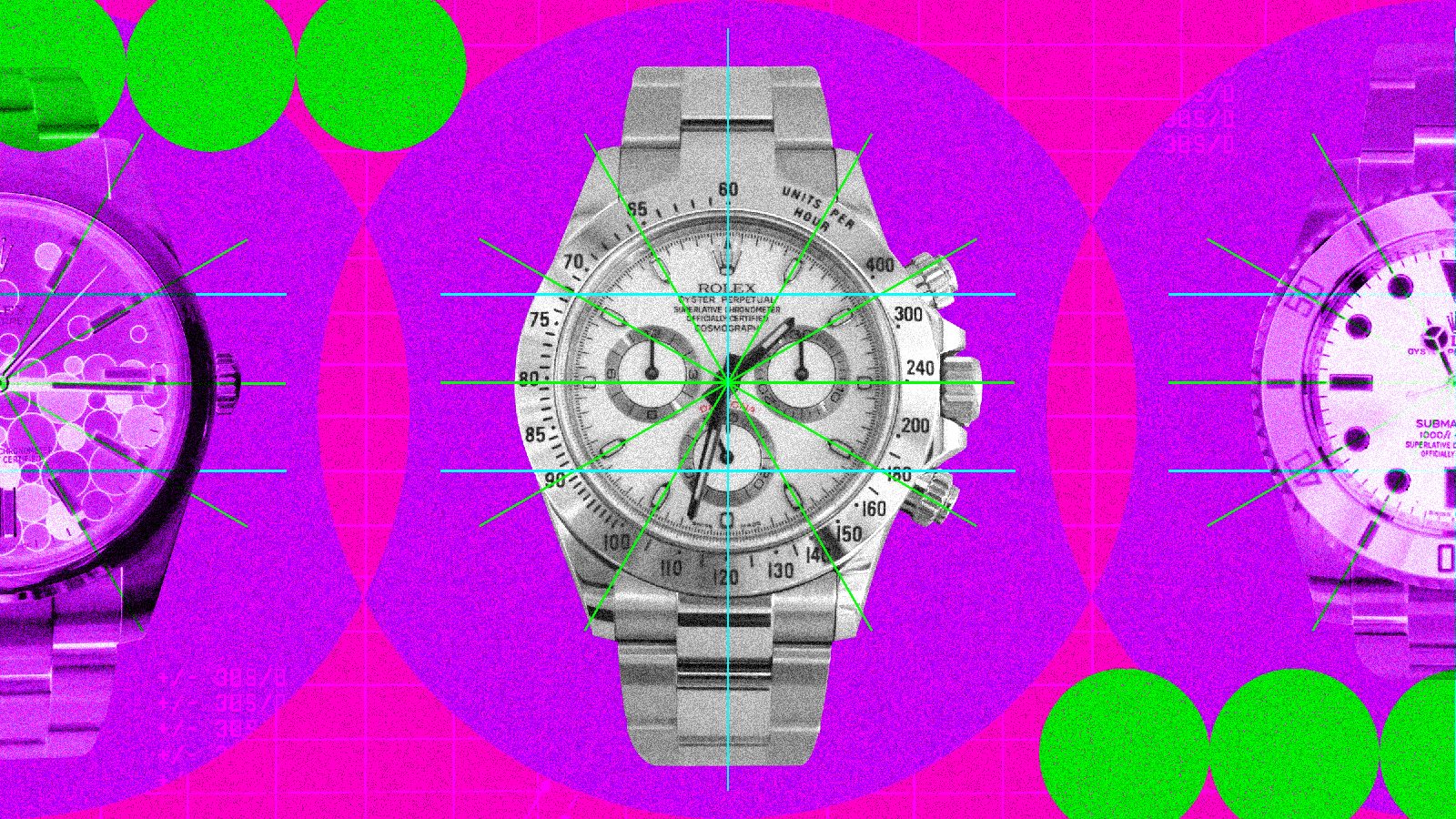
The plan was simple. Follow the same path a first-time buyer would follow, starting on Reddit, and buy three replica Rolexes from a well-known dealer called JTime. Total spend: $1,704, paid in crypto, delivered in under a month.
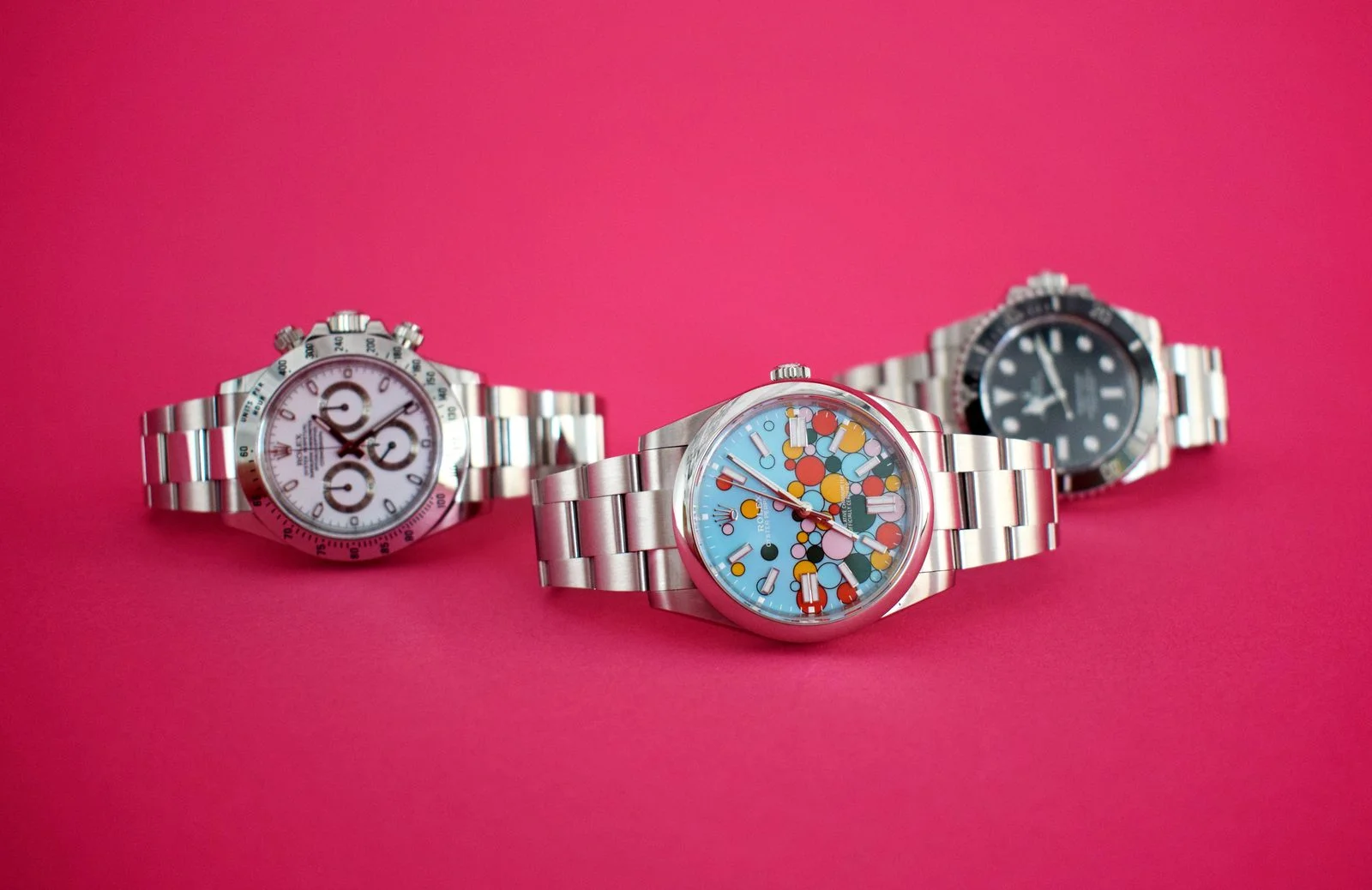
The three watches:
- A replica Submariner for $438 — rated “NWBIG” by the community’s own master spreadsheet, meaning “not worth buying… unless it’s this one.” The highest tier.
- A Daytona for $768, also NWBIG.
- An Oyster Perpetual “Celebration” with the busy multicolored bubble dial, $498, rated one step below at “VG.” They picked it on purpose, as the hardest dial to copy.
The Bond Street test
The famous part is the store visit. A writer walks into Rolex’s own flagship, hands over the fake Oyster Perpetual for a simple link removal, and waits. Staff in white lab coats examine it behind glass. The salesperson comes back, praises the watch, hands it back perfectly sized, and puts the removed links in a little green-logoed paper bag.
Nobody clocks it.
If you spend time on replica forums, this is not shocking. Boutique staff are salespeople, not authenticators, and a bracelet sizing doesn’t involve opening the case. But it’s one thing to know that. It’s another to see it confirmed on the record, in the flagship store, with a WIRED byline attached.
Where the expert found the flaws
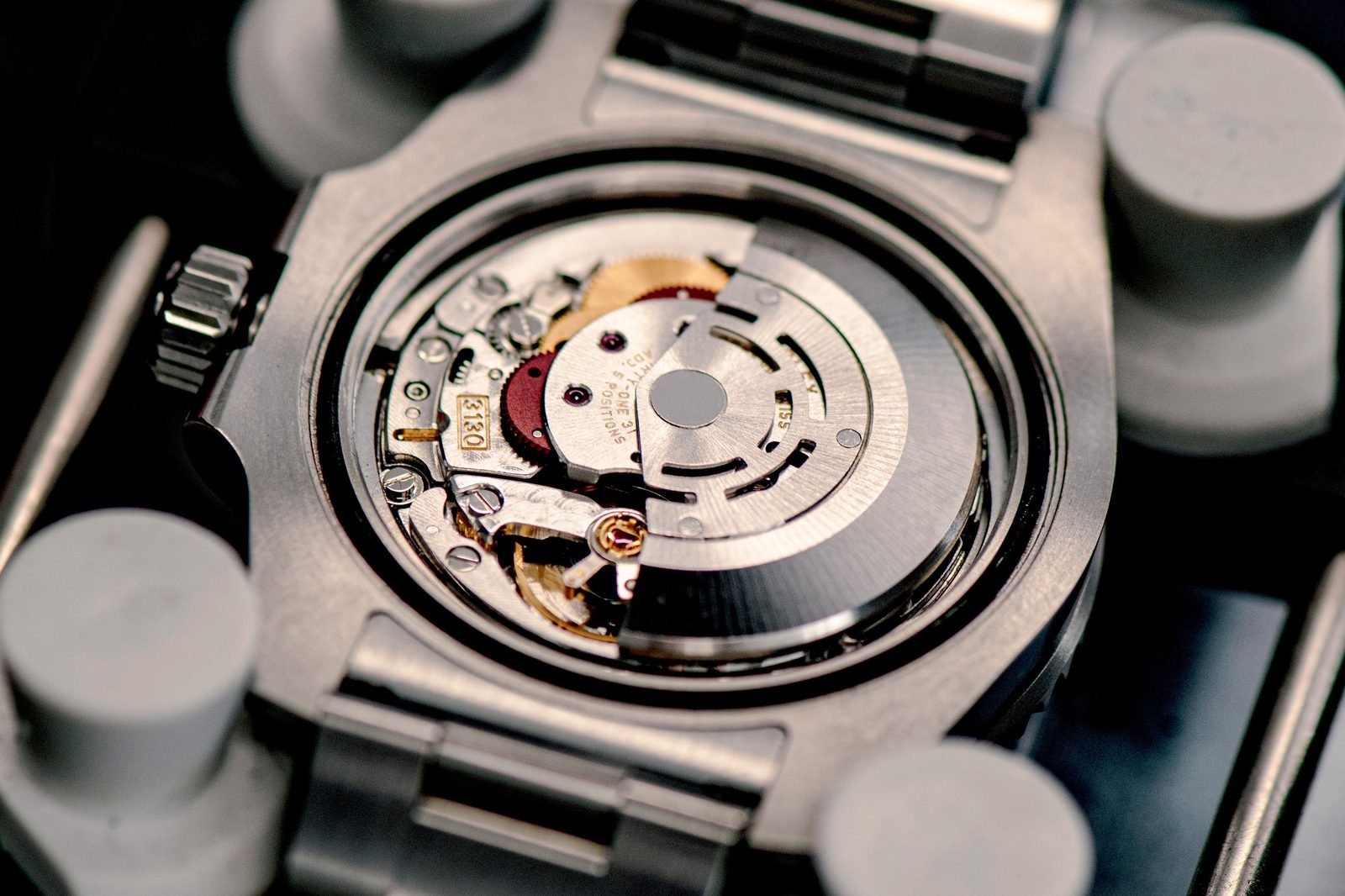
WIRED also did the smart thing and took all three watches to Adrian Hailwood, an authenticator at the auction platform Watch Collecting. Under a loupe, he found the tells:
- Bracelet screws that “really aren’t very round”
- A clasp underside that’s “very much raw metal”
- Finish shortcuts on the parts nobody photographs
Notice where those flaws sit. Not on the dial. Not in the proportions. In the metal you only see when the watch is off your wrist and under magnification. That tracks with our experience: the dial is where factories spend their money, because the dial is what the customer checks in QC photos.
What WIRED got right
A lot, honestly. The piece understands the r/RepTime ecosystem better than most trade coverage. The QC culture, the GL/RL green-light red-light ritual, the trusted-dealer spreadsheets, the factory gossip. The numbers they cite are real: 269,000 weekly visitors on the main subreddit. The description of buyers drawing alignment lines over QC photos is exactly how it works.
Their big-picture conclusion also rings true from our side of the counter. Quote: these are “real watch lovers who have built a genuine online community,” fluent in reference numbers, obsessive over lume color, “but like the crooked hands of a red-lighted replica, it’s pointing the wrong way.”
That’s fair, and it’s well put. The passion is real. The watches are the object of it.
Where we’d push back
Three things, from the seller’s side of the table.
“Ultimately disposable” is half true. WIRED’s subtitle calls the watches good enough to pass as real “but ultimately disposable.” The $438 Submariner is not a $10,000 watch, and nobody should pretend otherwise. But “disposable” undersells what a good movement survives. Decent clones run Sellita-grade automatics that service for years. The truth is closer to this: they’re honest about what they are, which is a good-looking watch at its actual price point, not a bargain version of a luxury one.
The prices are the floor, not the market. WIRED bought deliberately from the budget end. The community’s NWBIG list exists precisely because the $300-to-$500 tier varies wildly. Above it sit the factories that superclone sellers work with, where the dial printing, bracelet finishing and movement decoration climb another level. Their budget buys made for a better story. They also made for a watch that’s “completely the wrong size,” as they admitted, which a two-minute dealer conversation would have caught.
The wrong-size watch is the real lesson. Of the three watches, one arrived in the wrong size entirely. That’s not a factory problem, that’s a buying problem. It’s what happens when you order from a spreadsheet instead of talking to a human who asks what wrist it’s for. Any dealer who doesn’t ask your wrist size before a Submariner order is not taking your money seriously.
One more thing: what they tested isn’t even the top grade
Here’s the part both WIRED and Trace glide past, and it matters if you’re actually shopping. The watches they bought are what the community would call mid-tier replicas. Good ones. The NWBIG list exists because $300-to-$500 watches from the right factories punch above their price. But there is a full grade above that budget tier, and it’s what “superclone” properly means.
The budget tier runs on clone-look movements with decorated rotors and standard finishing. Weight is close. Dial printing is close. Hand it to a watchmaker and the game is up in a minute, which is exactly what Hailwood’s loupe found.
The grade above is a different product. Genuine 904L steel, cloned calibers rebuilt to the original layout, correct weight to the gram, dial text printed at the right thickness, bracelets that finish the way the factory finishes them. That’s the tier we sell and the tier our QC videos exist to prove. It costs more than $438. It is also, in our experience, the tier where “even the staff didn’t spot it” stops being a lucky afternoon and becomes the normal outcome.
So read the WIRED piece with that in mind. What fooled a flagship store was the mid grade. The real superclone tier sits above the watches that made the headlines.
Sidenote: the super clone went mainstream this year
It’s worth stepping back to see how fast this moved. Two years ago, “superclone” was forum jargon. Now it’s in WIRED headlines, trade-press warnings from Jeweller Magazine, and viral videos with millions of views. The WIRED piece is the peak of the wave so far, but not the start of it.
The pattern is familiar to anyone who watched the sneaker-rep story play out. Quality rises, prices stay low, mainstream media “discovers” it, and demand jumps again. Watch YouTube is now full of genuine-vs-clone comparisons pulling hundreds of thousands of views each. That used to be niche content. It isn’t anymore.
A good example is this comparison from Trace. Published in July, it’s already past a quarter-million views:
It’s a clean side-by-side of a genuine Submariner against a modern clone, done by someone who owns the real thing and says so up front. Two things in it stand out to us.
First, the wrist test. At arm’s length, in motion, on the wrist, the clone passes. That matches what we see in QC every day. The gap is not on the wrist. The gap is at the loupe, the scale, and the warranty desk.
Second, Trace lands on the same conclusion WIRED’s expert reached with a loupe. The movement and the finishing are where the genuine piece spends its money, and where the clone saves it. A $500 clone of a $10,500 watch is not 5% of a Rolex. It’s 90% of the look and 40% of the engineering. Which of those you’re buying is the only question that matters. Your budget answers it better than any video does.
When the mainstream press, the trade press, and the biggest reviewers on YouTube are all telling versions of the same story, that’s not a trend piece anymore. It’s the market.
Why this matters now
The WIRED piece landed in the same month as the surprise Padellone release, and the two stories rhyme. Rolex is pushing complicated, expensive, harder-to-clone watches. The factories keep closing the gap on everything else. Every few months the “can you still tell?” question gets harder to answer honestly.
Our answer stays the same as it’s always been. Buy the look if the look is what you want, from someone who shows you the actual watch before it ships, at a price that’s honest about what it is. If you want the metallurgy and the movement and the warranty, the boutique door is open and the champagne is free.
Meanwhile, the three models WIRED tested have better-built siblings in our catalog. Every one ships with a QC video of your exact piece before it leaves:
- Submariner 41 black 126610LN — the model WIRED’s $438 budget version was imitating
- Daytona white 116500LN — same reference family as their $768 tester
- Oyster Perpetual turquoise 124300 — same OP family as their Celebration tester, dial done properly
What did you think of the WIRED piece? Did they get the community right? The comments are open.